When people hear “physical therapy,” they usually think of a person recovering from a sports injury or surgery. But, just like people, pets can benefit from physical therapy to reduce pain, improve mobility, recover from injuries, and enjoy a better quality of life.
If your dog is recovering from surgery, your senior cat is slowing down because of arthritis, or your pet has experienced a neurological injury, pet physical therapy offers a safe, personalized approach to helping them move more comfortably and confidently. At Williston Park Animal Hospital, we believe successful rehabilitation isn’t just about healing an injury. It’s about supporting your pet’s overall health, comfort, and quality of life.
What Is Pet Physical Therapy?
Pet physical therapy (also called canine rehabilitation or veterinary rehabilitation) is a specialized form of treatment designed to improve strength, mobility, balance, flexibility, and overall function in animals.
Since each pet is different, treatment plans are tailored to match your pet’s unique needs, diagnosis, age, activity level, and personality. The goal isn’t simply to treat an injury. It’s to understand how that injury affects your pet’s entire body, movement, and daily life so we can reduce pain, restore function, and help prevent future problems.
What Conditions Can Pet Physical Therapy Help Treat?
Physical therapy can benefit pets dealing with a wide variety of conditions, including:
- Arthritis and joint pain
- Hip or elbow dysplasia
- Cranial cruciate ligament (CCL/ACL) injuries
- Recovery after TPLO or other orthopedic surgeries
- Intervertebral disc disease (IVDD)
- Neurological conditions affecting balance or coordination
- Muscle weakness or loss of mobility
- Sports injuries in active or working dogs
- Age-related stiffness and decreased mobility
- Weight management through safe, low-impact exercise
As you can see from this list, physical therapy is not just for after surgery! Rehabilitation can also help delay surgery, manage chronic conditions, and keep aging pets active longer. In many cases, physical therapy becomes one piece of a larger wellness plan that may also include nutrition, weight management, pain management, and regular veterinary care.
One of our first patients, Siri, competed in obedience training competitions. When she tore her ACL, her physical therapy included exercises, hydrotherapy and laser therapy. These treatments helped her get back to normal and she was able to resume her training and her competitions!
My own dog, Echo, tore his ACL. After wearing a brace, and doing hydrotherapy and laser therapy, he was able to run and jump again without surgery.
Is Physical Therapy Only for Dogs?
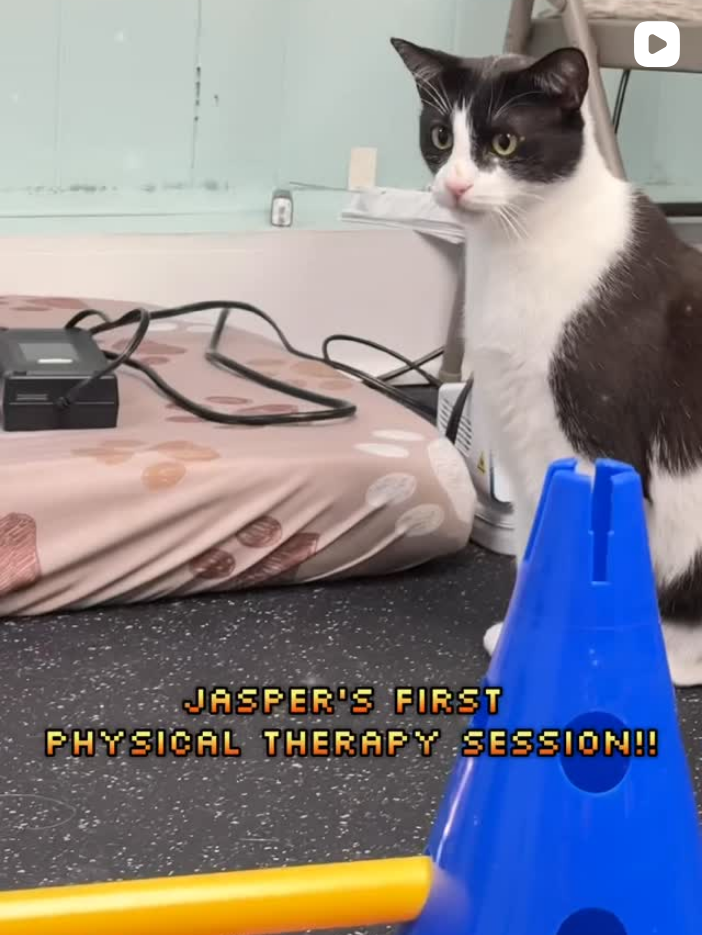
While dogs are our most common physical therapy patients, cats can benefit, too. In fact, we’re continually refining our feline rehabilitation techniques with the help of our own hospital cat, Jasper, so we can make therapy as comfortable and low-stress as possible for our feline friends.
And, while we don’t treat these particular animals, it’s worth noting other animals that can benefit from rehabilitation include rabbits, horses, and other companion animals. The treatment plan is always adapted to the species, condition, and temperament of each individual patient.
How Is Physical Therapy Different from Regular Veterinary Care?
Veterinarians diagnose medical conditions, prescribe medications when needed, and oversee your pet’s overall health.
A pet physical therapist, much like a human physical therapist, focuses specifically on restoring movement and function. Through guided exercises, hands-on techniques, therapeutic modalities, and ongoing progress assessments.
Not all veterinarians are physical therapists so the two will often work together. At Williston Park Animal Hospital, we work closely with your primary veterinarian to create a rehabilitation plan that complements your pet’s overall medical care. By combining physical therapy with a comprehensive understanding of your pet’s health, we can support both recovery and long-term wellness.
Can Physical Therapy Help After Surgery?
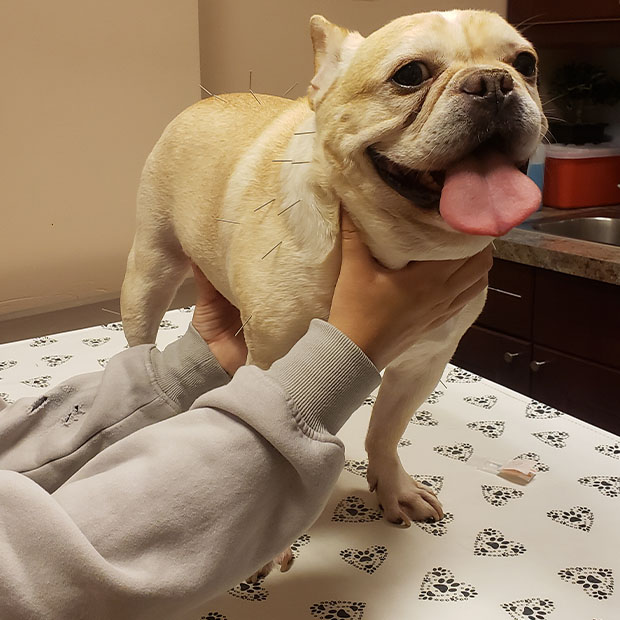
Yes, post-surgical rehabilitation is one of the most common reasons pets are referred for physical therapy. Kaya, one of our canine patients, had FHO surgery, which helps relieve pain and restore mobility in dogs with hip problems like arthritis or dysplasia. After a few months of exercise, therapeutic ultrasound and acupuncture she was able to run and play again!
Following procedures such as TPLO surgery, fracture repair, or joint surgery, pet physical therapy can help:
- Reduce swelling and inflammation
- Improve range of motion
- Prevent muscle loss
- Restore normal walking patterns
- Build strength safely
- Support a faster, more comfortable recovery
Following a structured rehabilitation plan often leads to better long-term outcomes than rest alone.
Can Physical Therapy Help Arthritis and Mobility Problems?
Yes – arthritis doesn’t have to mean giving up walks, playtime, or an active lifestyle. Arthritis rarely affects just one joint. As pets compensate for pain, they often place extra stress on other muscles and joints. Physical therapy helps address these movement patterns while improving overall mobility.
Physical therapy helps many pets by:
- Reducing pain and stiffness
- Improving joint flexibility
- Strengthening muscles that support the joints
- Increasing balance and coordination
- Helping pets stay active longer
Even small improvements in comfort can make a meaningful difference in your pet’s daily life.
Can Pets with Neurological Conditions Benefit?
Many can.
Pets recovering from spinal injuries, IVDD, strokes, or other neurological conditions often benefit from a carefully designed program that focus on rebuilding strength, coordination, balance, and confidence.
Every recovery journey is different, but therapy can help maximize your pet’s abilities while supporting independence whenever possible.
What Types of Treatments Are Used?
There are a number of treatments available. These may include:
- Therapeutic exercises
- Manual therapy and stretching
- Balance and coordination training
- Underwater treadmill therapy
- Therapeutic laser therapy
- Electrical stimulation
- Massage techniques
- Home exercise programs
Not every pet needs every treatment. Since each pet is different and our treatment plans are based on your pet’s specific needs, we always on choose the therapies that will provide the greatest benefit. A pet who needed laser therapy for a skin condition wouldn’t need underwater treadmill therapy.
What Happens During a Physical Therapy Session?
The first visit usually begins with a thorough evaluation. We don’t just look at the area that’s causing discomfort. We evaluate how your pet walks, stands, moves, and compensates so we can identify the underlying issues contributing to pain or reduced mobility.
From there, we’ll develop a customized treatment plan and explain what to expect during future sessions.
As therapy progresses, we continue to evaluate your pet and exercises and treatments are adjusted based on your pet’s improvement and comfort level.
Will My Pet Be in Pain?
A common concern among pet owners is whether therapy will hurt.
The goal of physical therapy is actually the opposite: to reduce pain while improving movement.
Sessions are designed to stay within your pet’s comfort level. We closely monitor how your pet responds and adjust treatments accordingly. Most pets become more comfortable as therapy progresses and they often look forward to their appointments!
How Long Does It Take to See Results?
The short answer is, it depends.
Some pets begin showing improvement within just a few visits, while others recovering from surgery or managing chronic conditions may need several weeks or months of therapy.
There are a number of factors that will affect recovery time including:
- The underlying condition
- Your pet’s age
- Overall health
- Consistency with appointments
- Following home exercise recommendations
Small improvements often build into significant long-term gains over time.
Can I Help My Pet at Home?
Yes – one of the most important parts of rehabilitation happens between appointments.
We will often recommend simple exercises, stretches, or activity modifications that you can safely perform at home. This type of home support helps reinforce the progress made during therapy sessions and can speed recovery.
Always follow your therapist’s instructions, as performing the wrong exercises or doing too much too soon can delay healing.
Is Pet Physical Therapy Worth It?
For many pets, the answer is yes.
Physical therapy isn’t simply about treating an injury. It’s about improving your pet’s comfort, confidence, mobility, and quality of life. Whether it’s to support a puppy recovering after surgery or helping your senior pet add life to their years, pet rehabilitation can make a meaningful difference.
Ready to Help Your Pet Move More Comfortably?
If you’ve noticed your pet slowing down, limping, struggling to get up, or recovering from surgery, physical therapy may be an important part of their recovery.
Every pet deserves a treatment plan that’s as unique as they are. By looking at the whole pet—not just the injury—we can help improve comfort, restore movement, and support a happier, healthier life.
Contact our team to learn whether pet physical therapy could help your companion live a healthier, more active life.
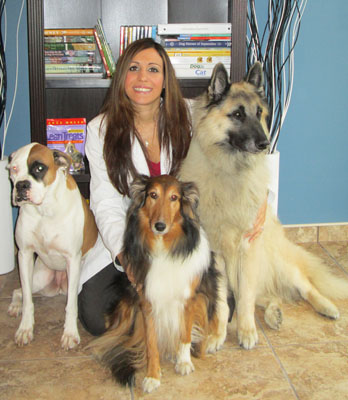
Dr. Hardoon founded Williston Park Animal Hospital in 2012 to offer integrative medicine to pets in a friendly and comfortable environment. Dr. Hardoon strives to help her patients live their best life using an integrative approach to healthcare. This means examining all aspect of the patient’s life and using multiple health options available for care including nutrition, supplements, essential oils, herbal therapy, laser and acupuncture combined with traditional medicine and surgery as necessary.